Gutter Cleaning and Downspout Checks (and Ladder Safety First)
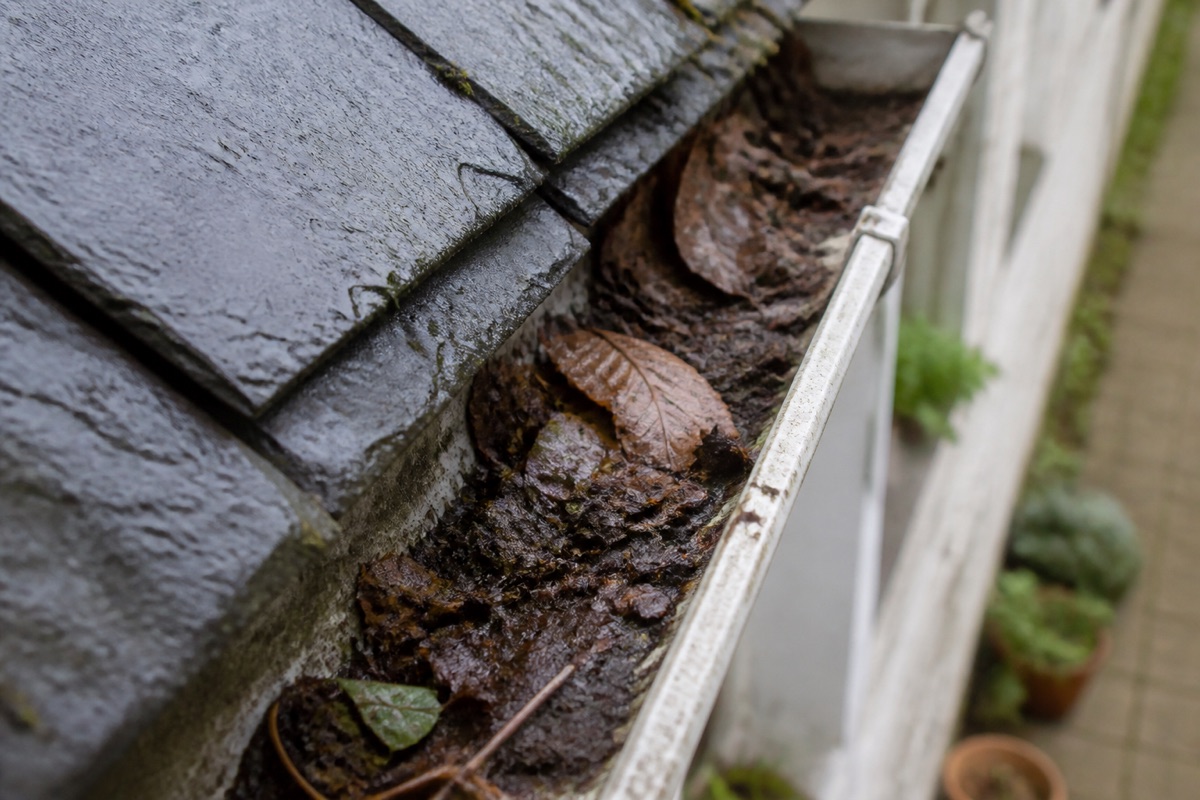
Section of house gutter filled with wet leaves and grit viewed from roof level

Gutters fail quietly. A blocked downspout does not announce itself until water is running down a wall, into a soffit, or pooling against a foundation — and by then the damage is somewhere considerably more expensive than the gutter. Read this first: most gutter work happens at height, and falls from ladders are one of … Read more
Bathroom Extractor Fans: Testing, Cleaning and Sizing

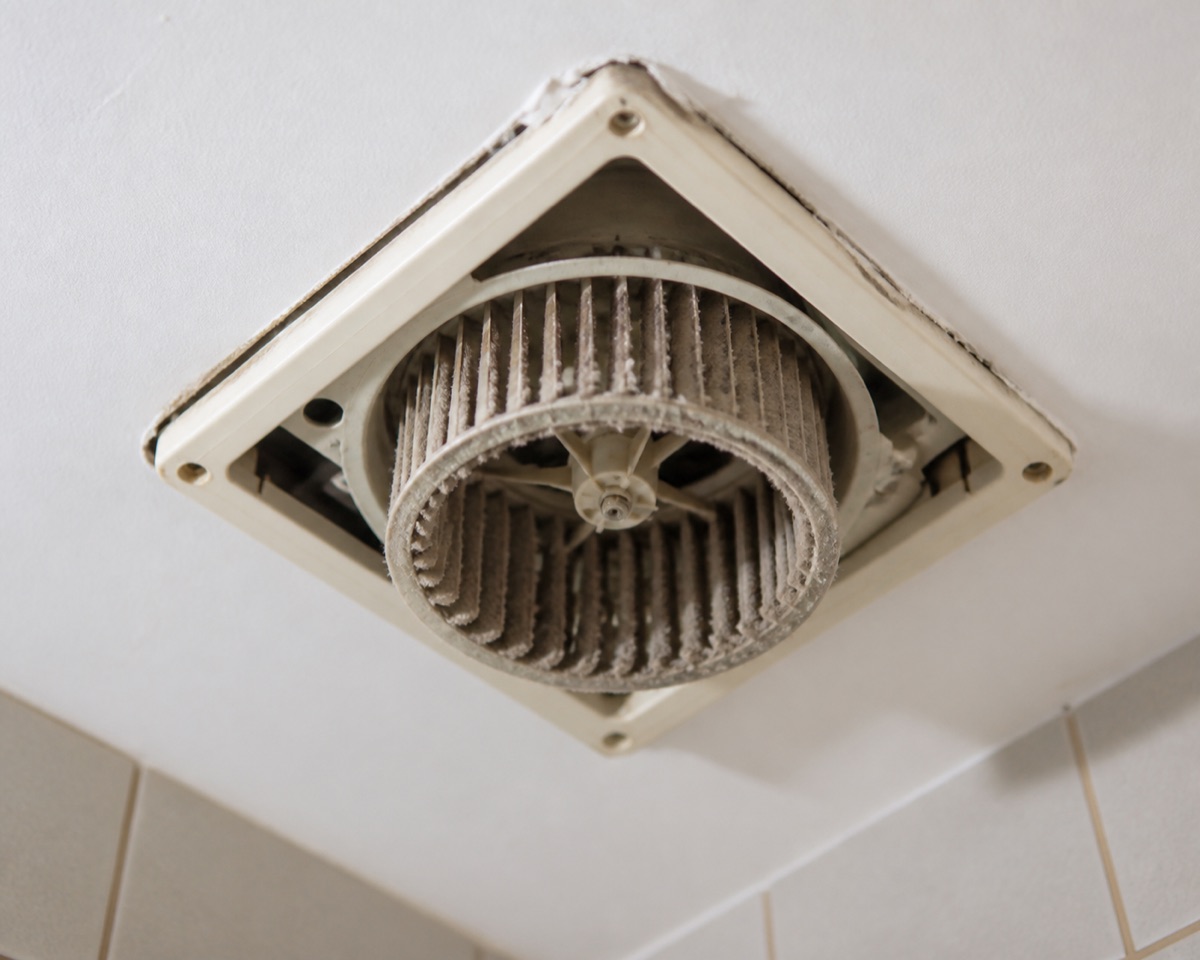
Bathroom ceiling extractor fan with the cover removed showing a dust-laden impeller

A bathroom extractor fan that runs but does not extract is extremely common, and the symptom is not silence — it is mould. Black spotting on a ceiling, around a window reveal, or along a silicone joint is almost always a ventilation problem wearing a cleaning problem’s clothes. Test whether yours works The tissue test. … Read more

Water Heater Maintenance: Flushing and the Anode Rod

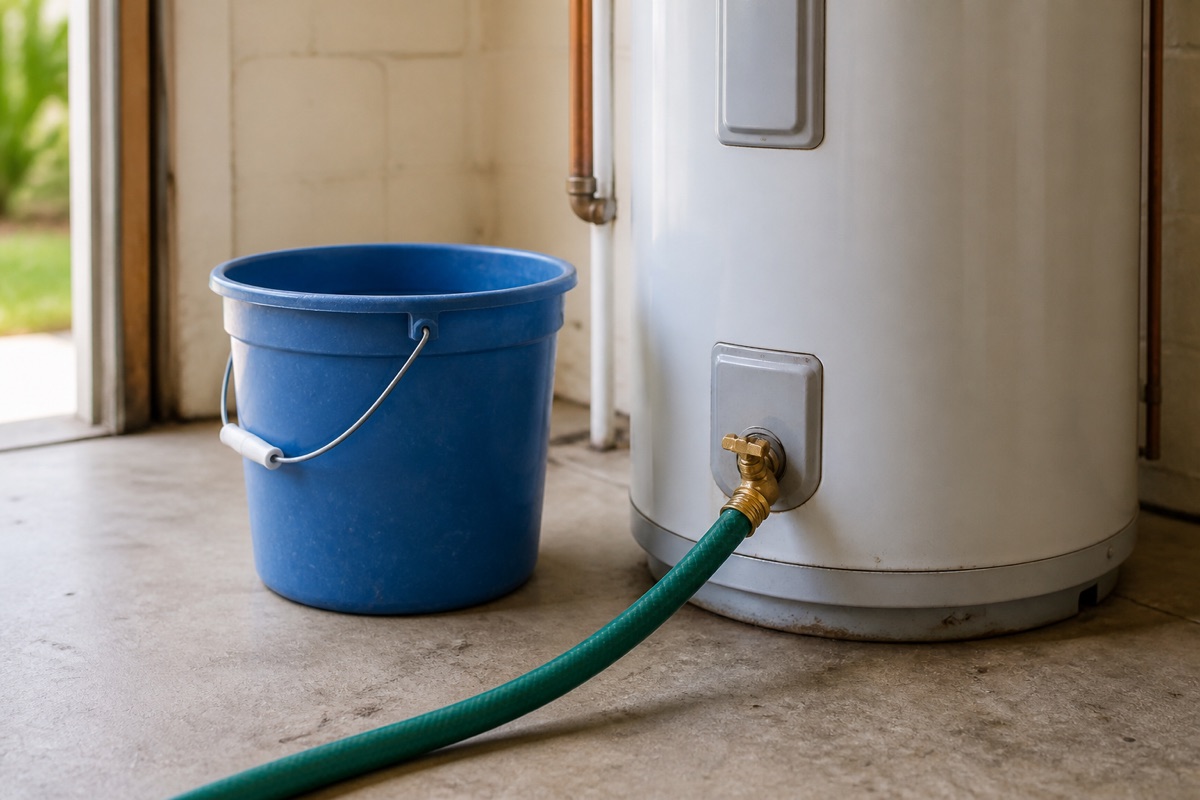
Domestic water heater tank with a garden hose attached to the drain valve and a bucket beside it

A storage water heater is a steel tank full of hot water, and two things determine how long it lasts: how much sediment accumulates in the bottom, and whether the sacrificial anode rod is still doing its job. Both are maintainable, and both are almost universally ignored until the tank leaks. Before anything else: this … Read more

Winterizing Outdoor Taps and Hoses

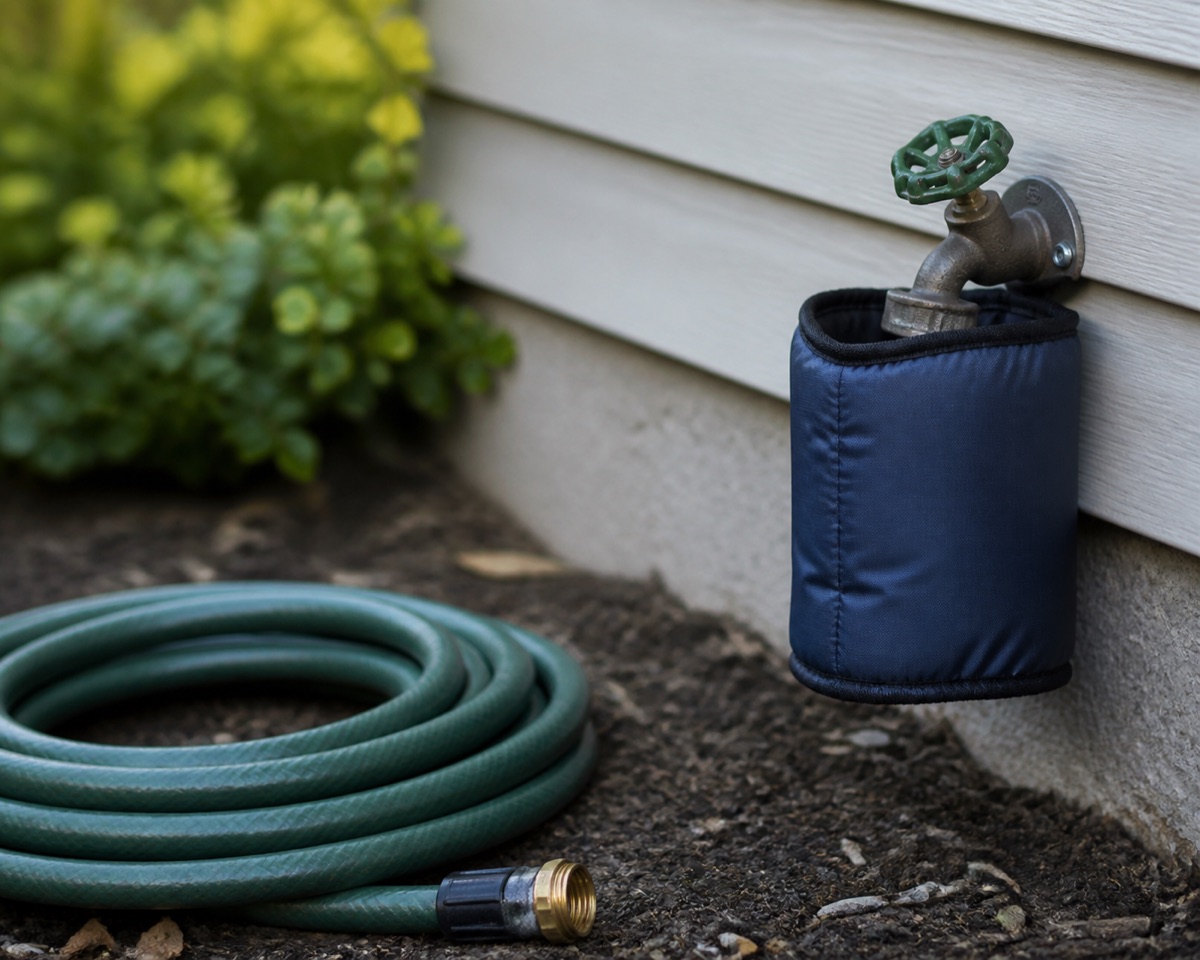
Outdoor garden tap with an insulated cover beside it and a coiled hose disconnected on the ground

A burst pipe from a frozen outdoor tap is one of the most expensive failures in an ordinary house, and it is entirely preventable in about twenty minutes each autumn. Why it bursts, and why not where you think Water expands by roughly 9% when it freezes. In a closed pipe that expansion has nowhere … Read more

Sump Pump Testing, Maintenance and Backup

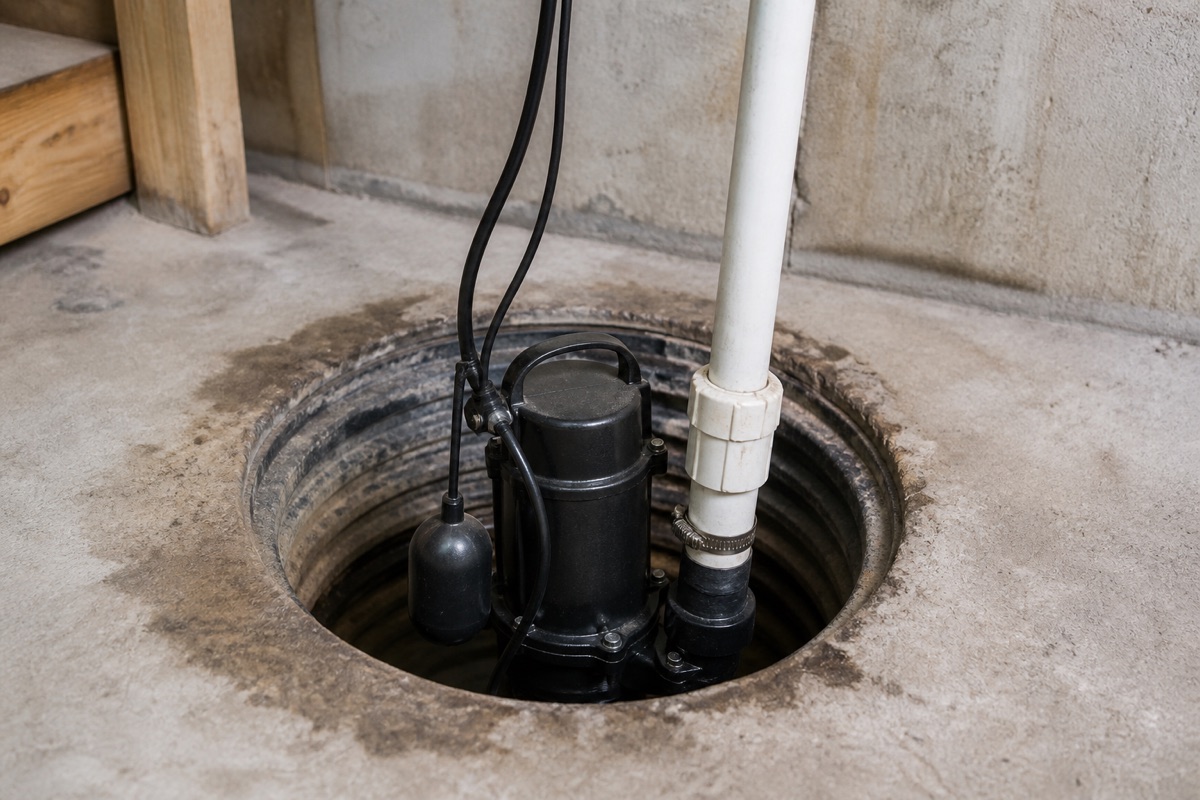
Sump pump sitting in an open sump pit in a basement with the float switch and discharge pipe visible

A sump pump is a single point of failure protecting the lowest part of a building. It sits idle for months, and it is called on precisely when conditions are worst — a heavy storm, often with the power off. Testing it after the water is rising is too late. How it works Groundwater collects … Read more

Drain Maintenance Without Chemical Drain Cleaners

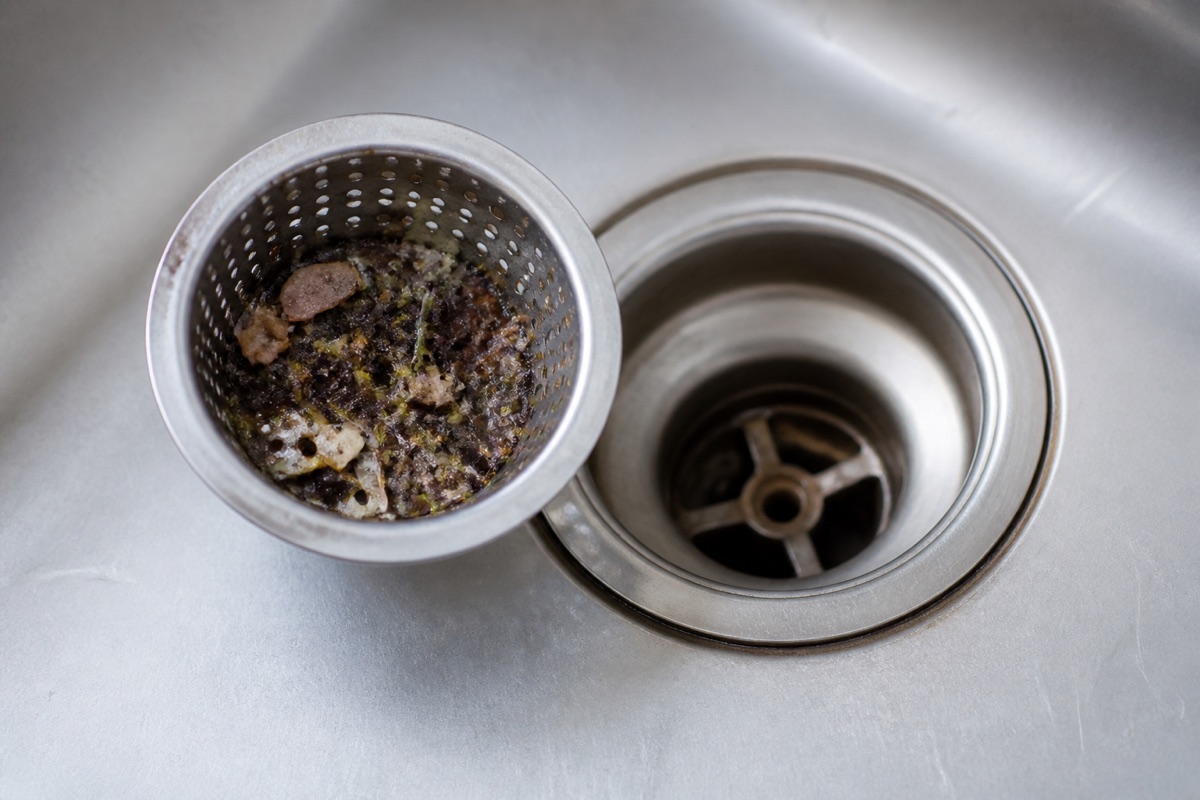
Kitchen sink drain with the strainer lifted out showing accumulated debris in the basket

Chemical drain cleaner is the default response to a slow drain and it is usually the wrong one. It is corrosive to pipes and to the person using it, it frequently fails on the blockages people reach for it to solve, and when it fails it leaves a pipe full of caustic liquid that the … Read more

HVAC Filters: MERV Ratings and How Often to Change Them

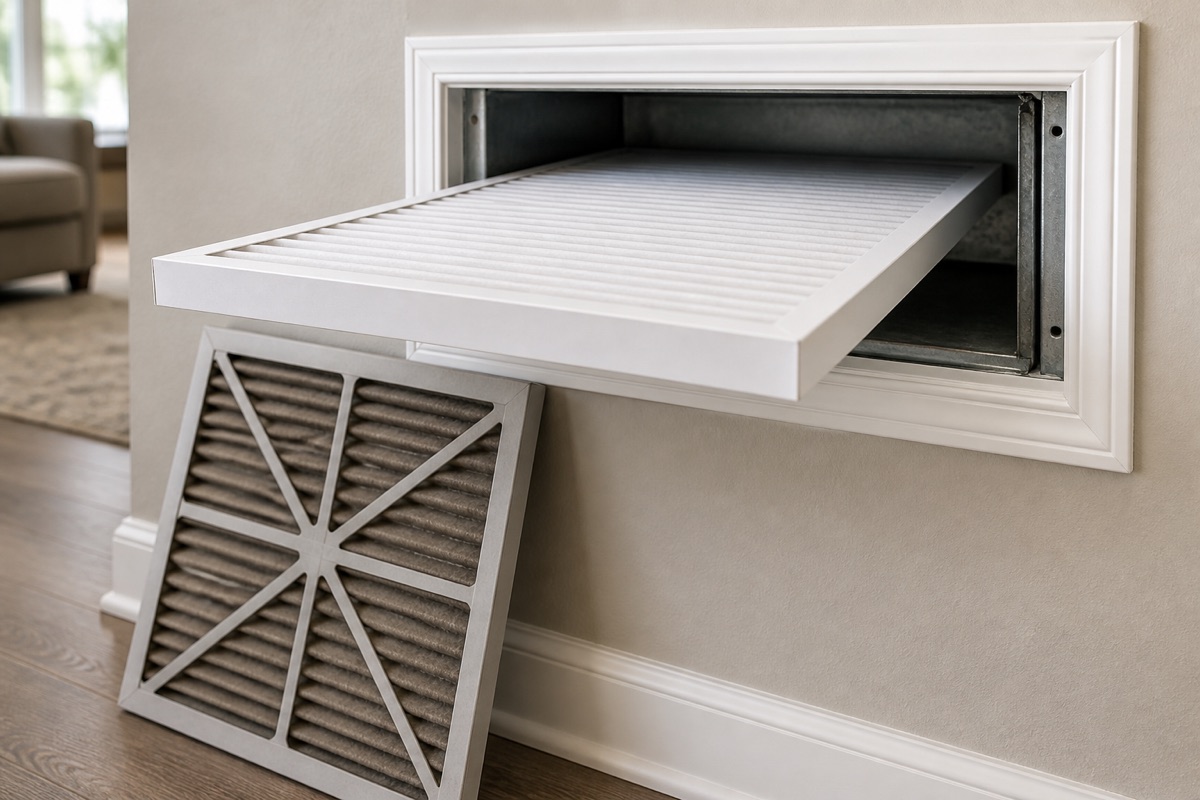
Pleated white air filter being slid into a return air vent with the old dust-loaded filter below

The air filter is the cheapest component in a heating and cooling system and the one most likely to cause an expensive failure. A blocked filter starves the system of airflow, and low airflow is the root cause of a long list of faults that get diagnosed as something else. What the filter is actually … Read more

Smoke and CO Alarms: Placement, Testing and Expiry Dates

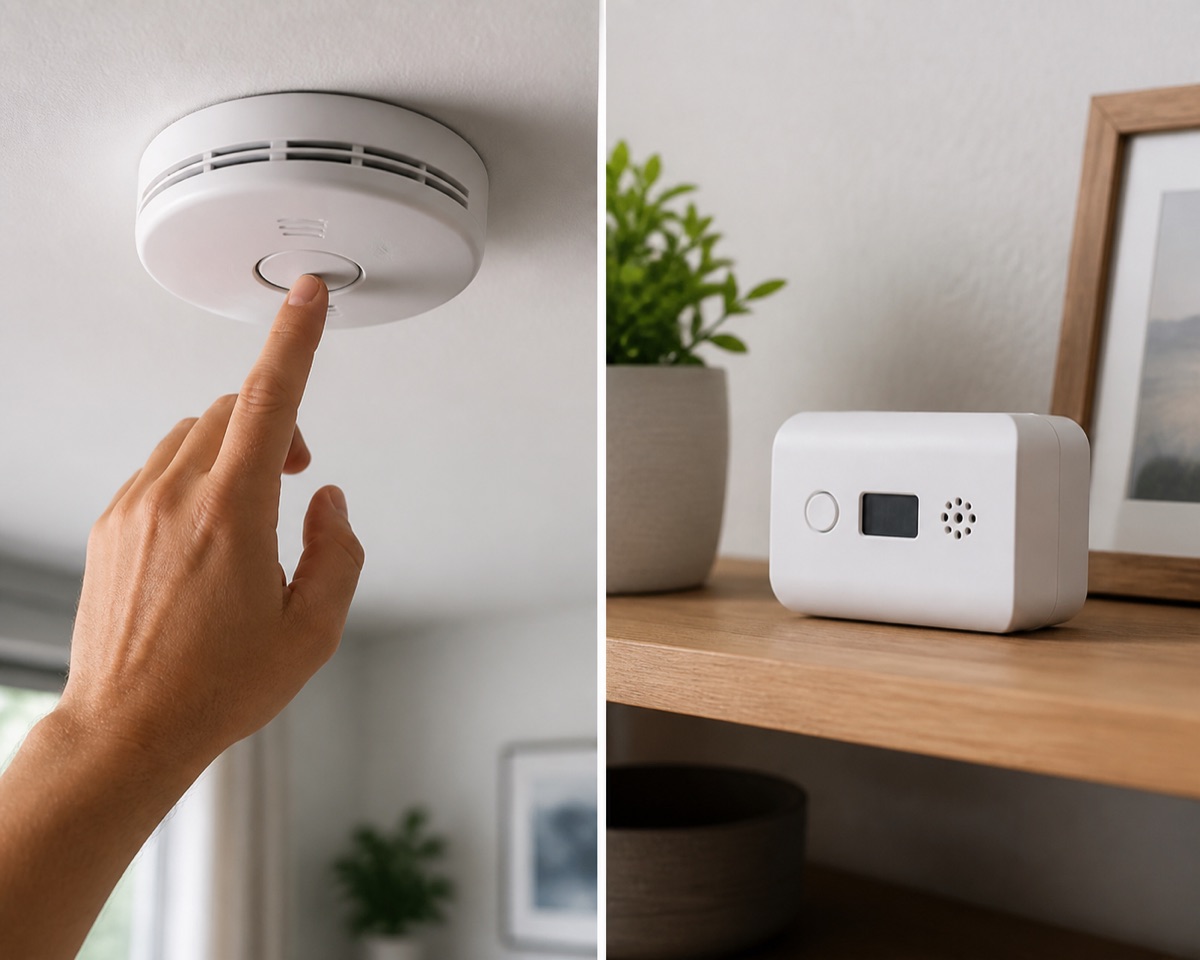
Ceiling-mounted smoke alarm with a hand pressing the test button and a carbon monoxide detector nearby

Smoke and carbon monoxide alarms are the cheapest life-safety equipment in a house and the most likely to be quietly non-functional. Dead batteries, expired sensors, and units mounted in places where they cannot do their job are all extremely common. The checks below take about ten minutes twice a year. Two different devices, two different … Read more