Washing Technical Fabrics: Shells, Base Layers and Fleece

Washing Technical Fabrics: Shells, Base Layers and Fleece

Technical fabrics fail from being washed the way ordinary clothes are washed. Waterproof shells stop repelling water, base layers start smelling within minutes of a run, and both problems are usually caused by the same thing: detergent residue and fabric softener sitting in the fibres. Why ordinary detergent is wrong here Standard laundry detergent contains … Read more
Colour Bleeding in the Wash: Prevention and Rescue

Colour Bleeding in the Wash: Prevention and Rescue

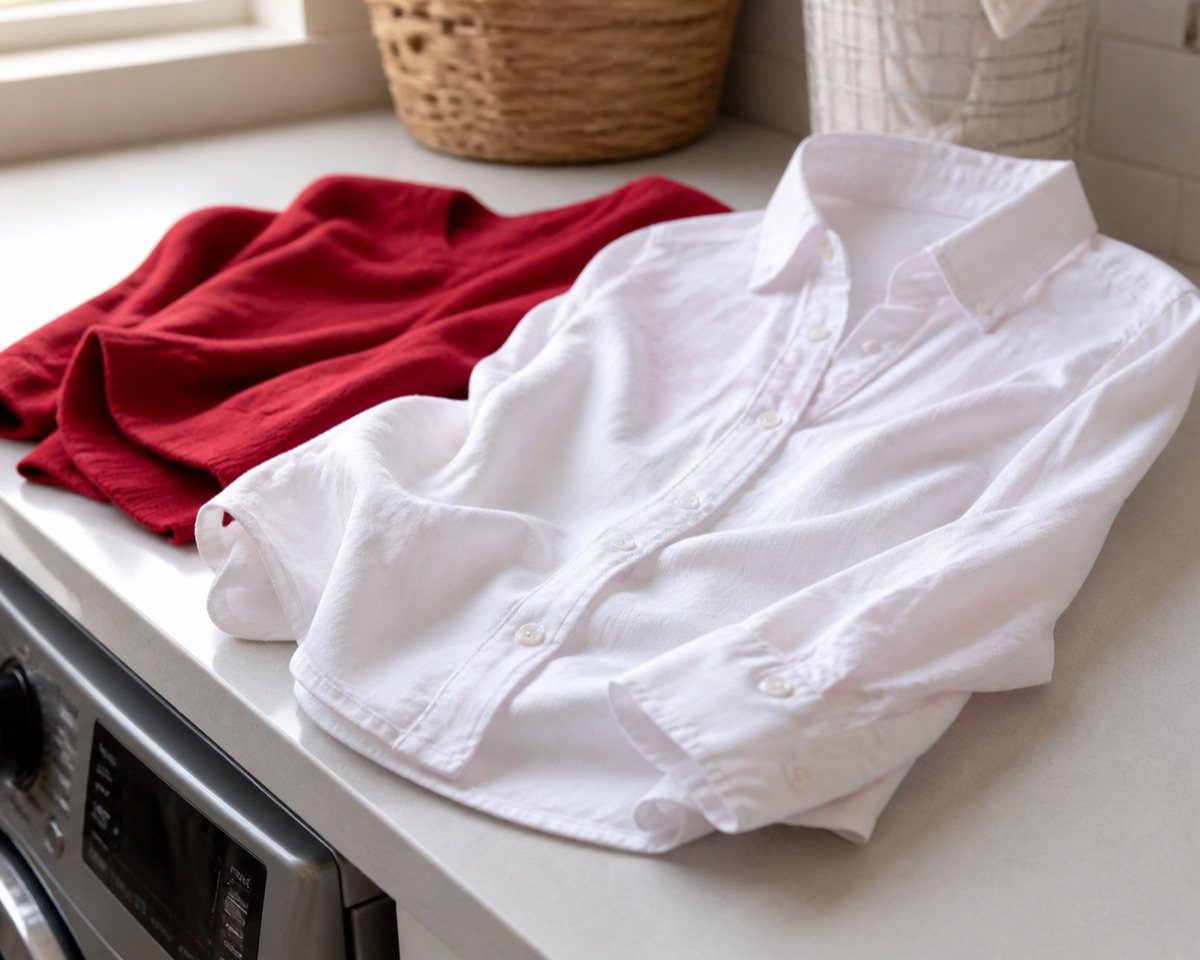
Colour bleeding is dye leaving one garment and settling on another. It happens because dye that was never properly fixed during manufacture releases when it meets water, agitation and heat — and once it has transferred, you have a short window before it sets permanently. Which garments actually bleed Not all colours are equally risky. … Read more

Washing Bedding: Temperature, Frequency and Dust Mites

Washing Bedding: Temperature, Frequency and Dust Mites

Bedding is the laundry most people under-wash and wash too cool. It collects roughly a litre of perspiration a week per person, plus skin cells, body oils and everything that feeds dust mites — and dust mites are the point at which washing temperature stops being about cleanliness and starts being about whether the wash … Read more

Stain Removal by Type: The Chart That Actually Works

Fabric swatches laid out on a white surface each with a different fresh stain beside a bottle of stain remover

Stain removal is not one skill. It is four, because there are four categories of stain and each responds to a different chemistry. Treating a grease stain like a protein stain wastes time; treating a protein stain like a grease stain sets it permanently. The four categories Type Examples Removed by Set permanently by Protein … Read more

Removing Odours That Survive the Wash

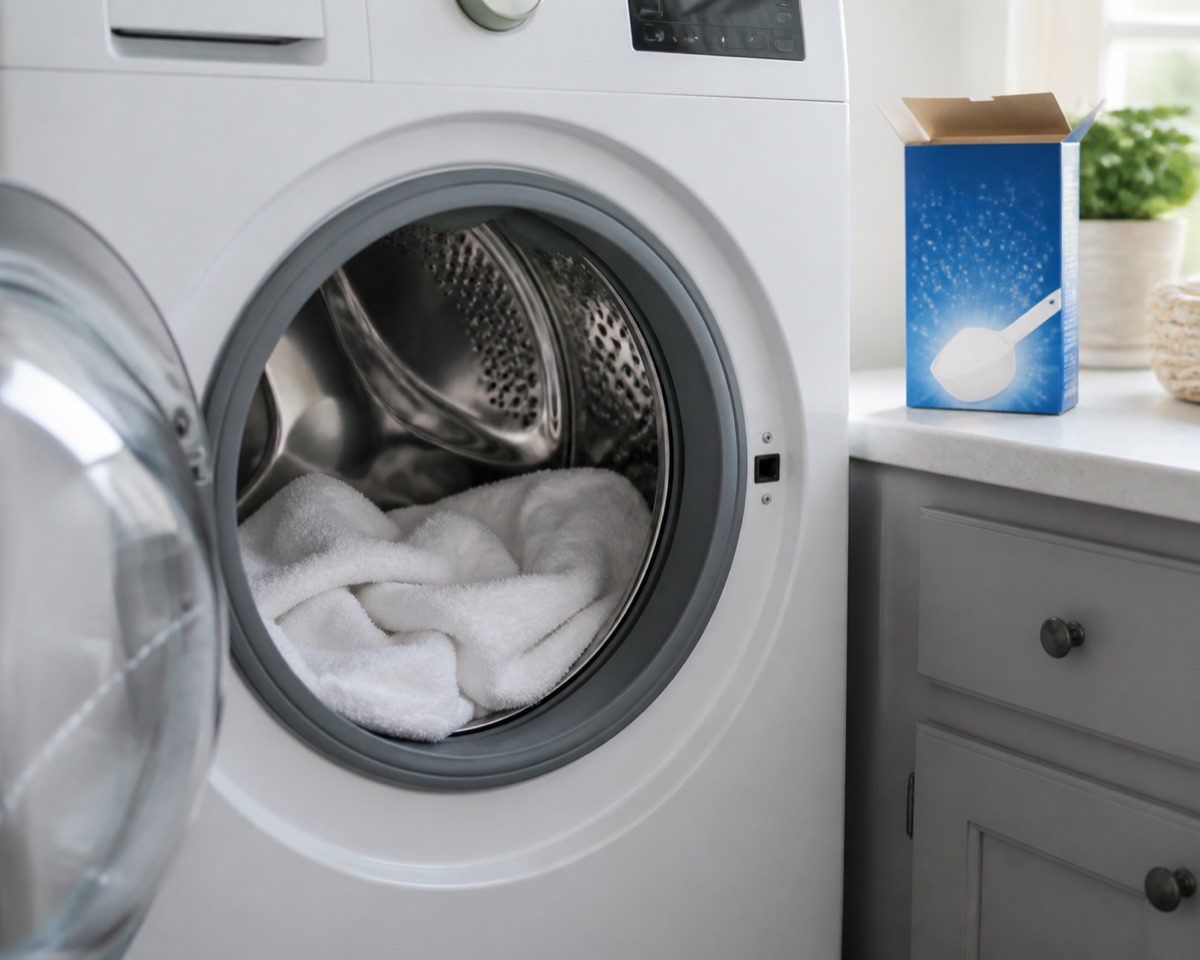
Open washing machine drum with clean white towels inside and a box of oxygen bleach on the counter

Some smells survive washing. Gym kit that smells fine out of the machine and reeks twenty minutes into a workout, towels that go sour within a day, a musty note in a whole load — these are not cleaning failures in the ordinary sense. They are three specific problems, and each needs a different fix. … Read more

How to Wash Wool Without Shrinking It

Folded grey merino wool jumper beside a basin of cool water with wool detergent

Wool shrinks for a specific, mechanical reason, and once you know what it is the rules stop being arbitrary. Each wool fibre is covered in microscopic overlapping scales, like roof tiles. Heat and moisture make those scales lift. Agitation then causes the lifted scales to interlock with neighbouring fibres, and they cannot slide back. The … Read more

Hard Water and Laundry: Why Your Whites Went Grey

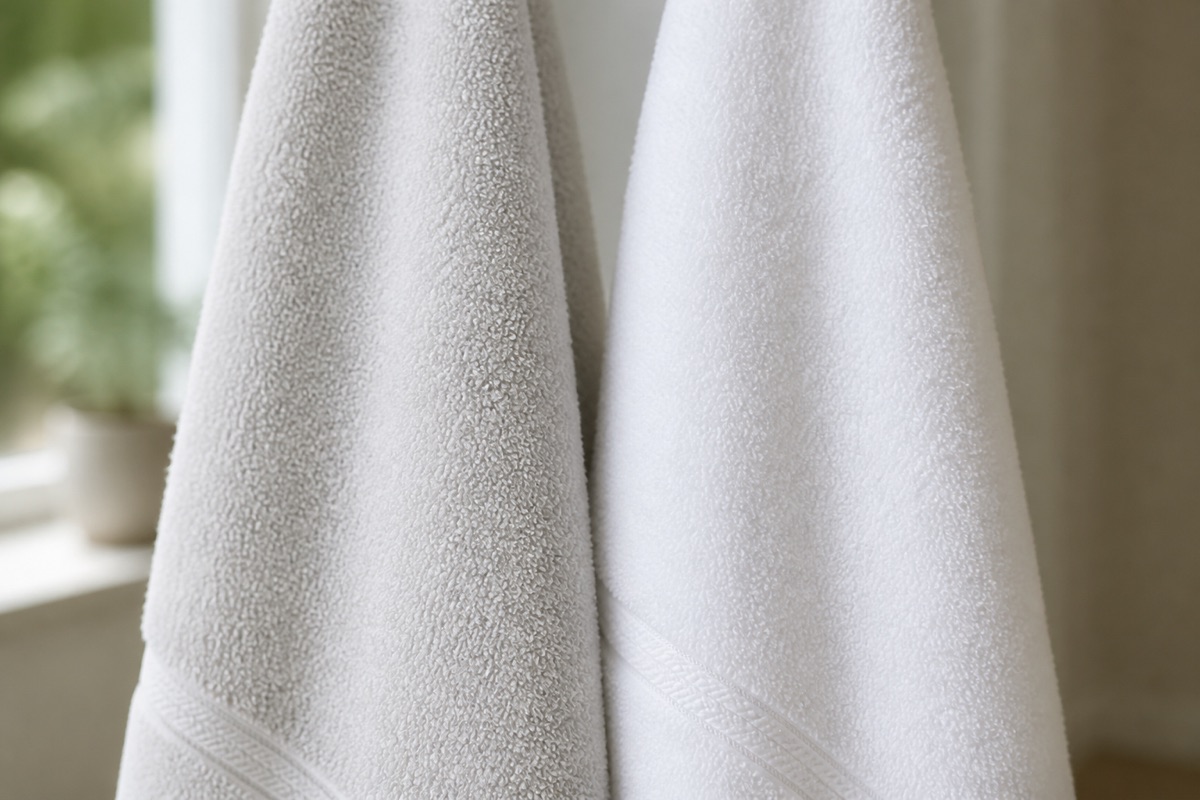
A dull greyish white cotton towel held next to a bright white one showing the difference

If your whites have gone grey, your towels feel stiff, and your detergent seems to have stopped working, the most likely explanation is not the detergent. It is the water. Hard water contains dissolved calcium and magnesium. Those minerals react with detergent before the detergent can act on your clothes, forming an insoluble curd — … Read more

Storing Seasonal Clothing Without Moth or Mildew Damage

Folded winter jumpers being placed into a breathable cotton storage bag with cedar blocks beside them

Clothes are damaged in storage by four things: moths, moisture, light, and their own weight. Each has a specific countermeasure, and the countermeasures for two of them contradict each other if you get the containers wrong. Wash everything first — this is the one that matters Clothes moths do not eat clean wool. They are … Read more

How Much Laundry Detergent You Actually Need

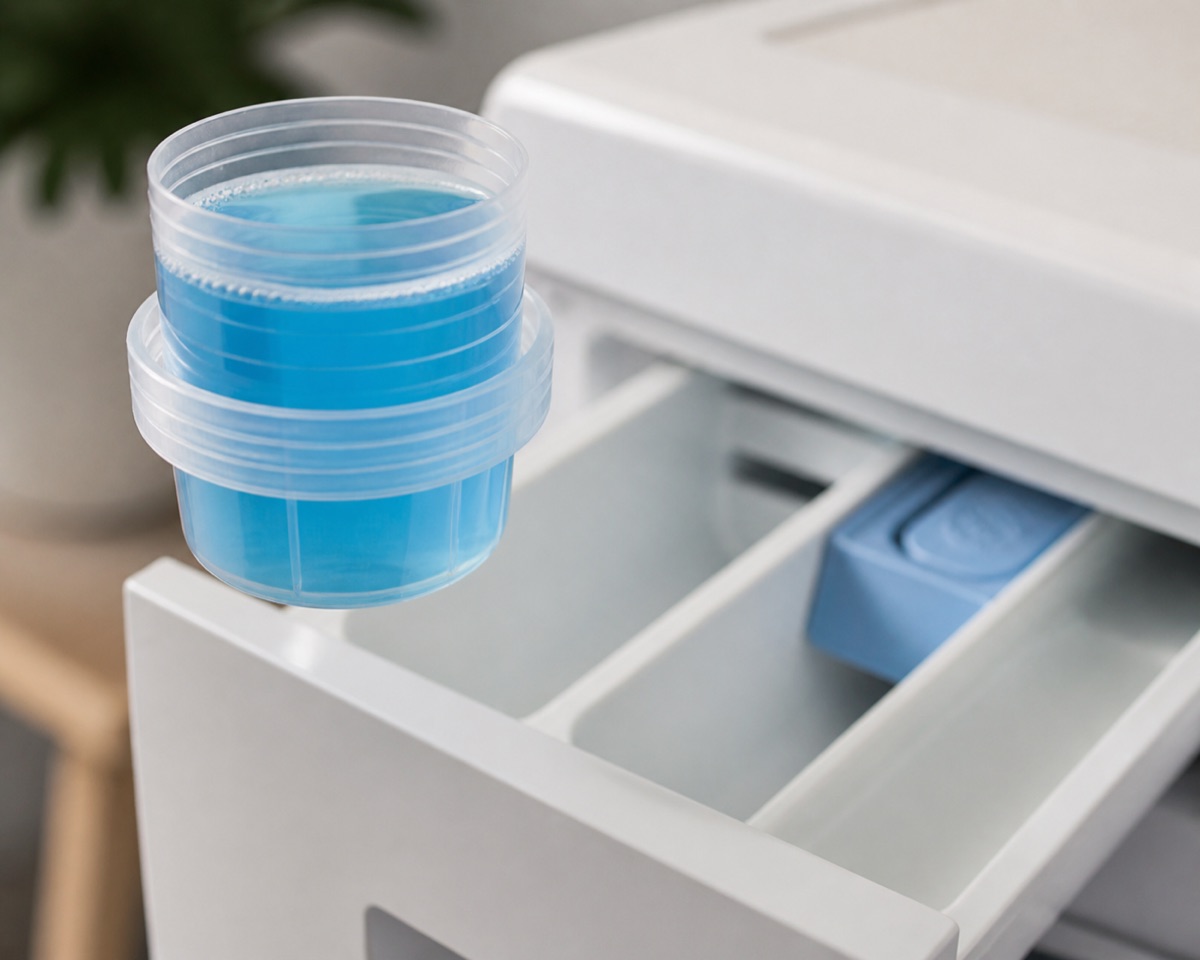
Measuring cap of blue liquid detergent held above an open washing machine drawer showing fill lines

Almost everyone uses too much laundry detergent. The reason is structural rather than careless: the cap is oversized, the fill lines are hard to read, and the packaging says “fill to line 2 for a normal load” without telling you what a normal load is or how hard your water is. The consequences are not … Read more