How to Clean Hardwood Floors Without Damaging the Finish

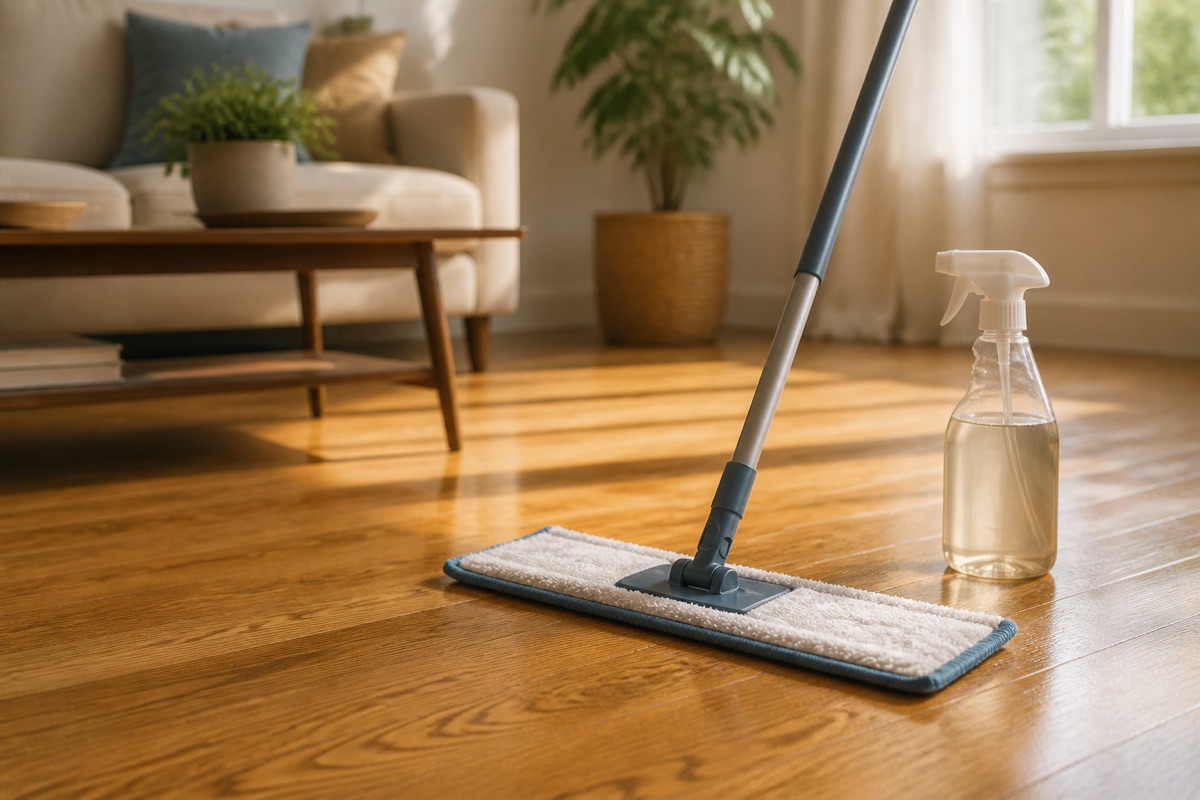
Microfibre flat mop on a warm oak hardwood floor in a sunlit room with a spray bottle beside it

Wood floors are damaged far more often by cleaning than by use. The mechanisms are consistent: too much water, the wrong chemistry, and grit left on the surface long enough to be walked into it. Everything below assumes a surface-finished floor — polyurethane, lacquer, or a factory aluminium-oxide finish, which covers the large majority of … Read more

Carpet Stain Removal by Stain Type: A Working Chart

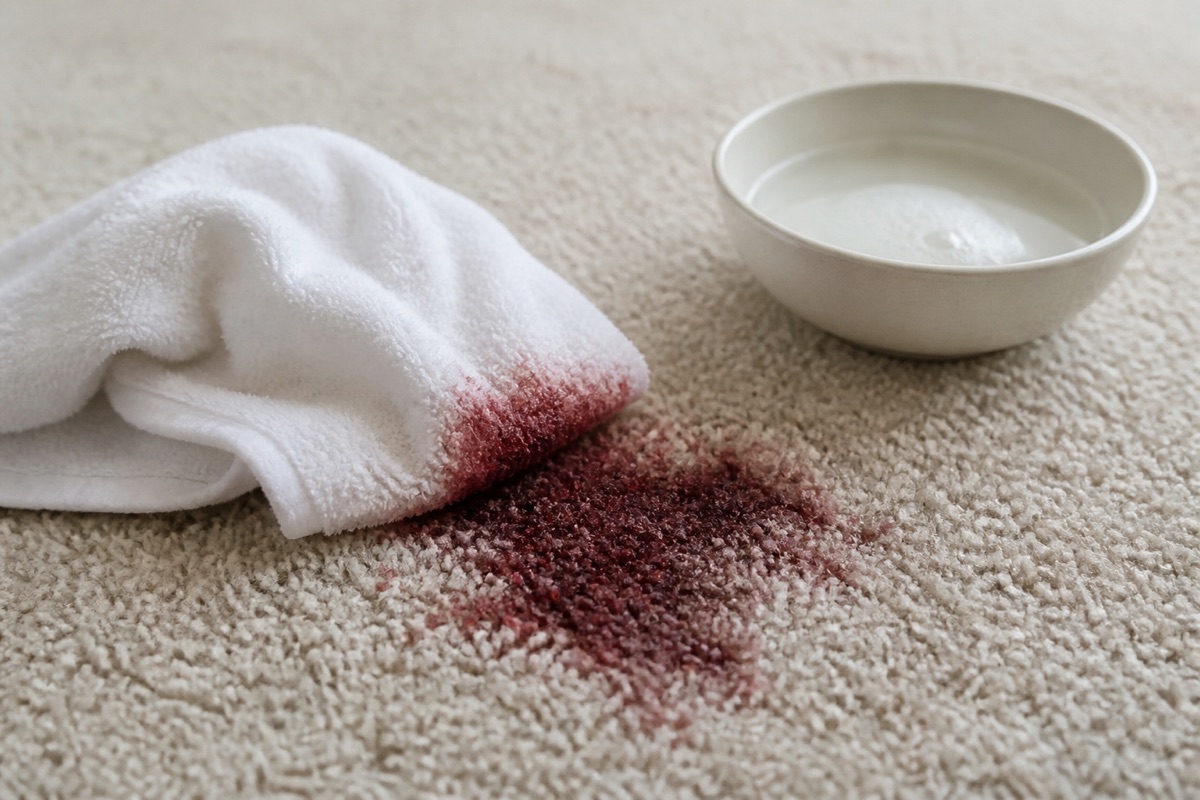
White cloth blotting a dark red spill on light beige cut-pile carpet with a bowl of solution beside it

Most carpet stains are made permanent by the response, not by the spill. Three mistakes account for the majority: rubbing instead of blotting, using hot water on protein, and applying so much solution that the stain is pushed into the backing where it wicks back up for weeks. The four rules Act immediately. Nearly everything … Read more

How Often to Deep Clean Carpet, and Which Method to Use

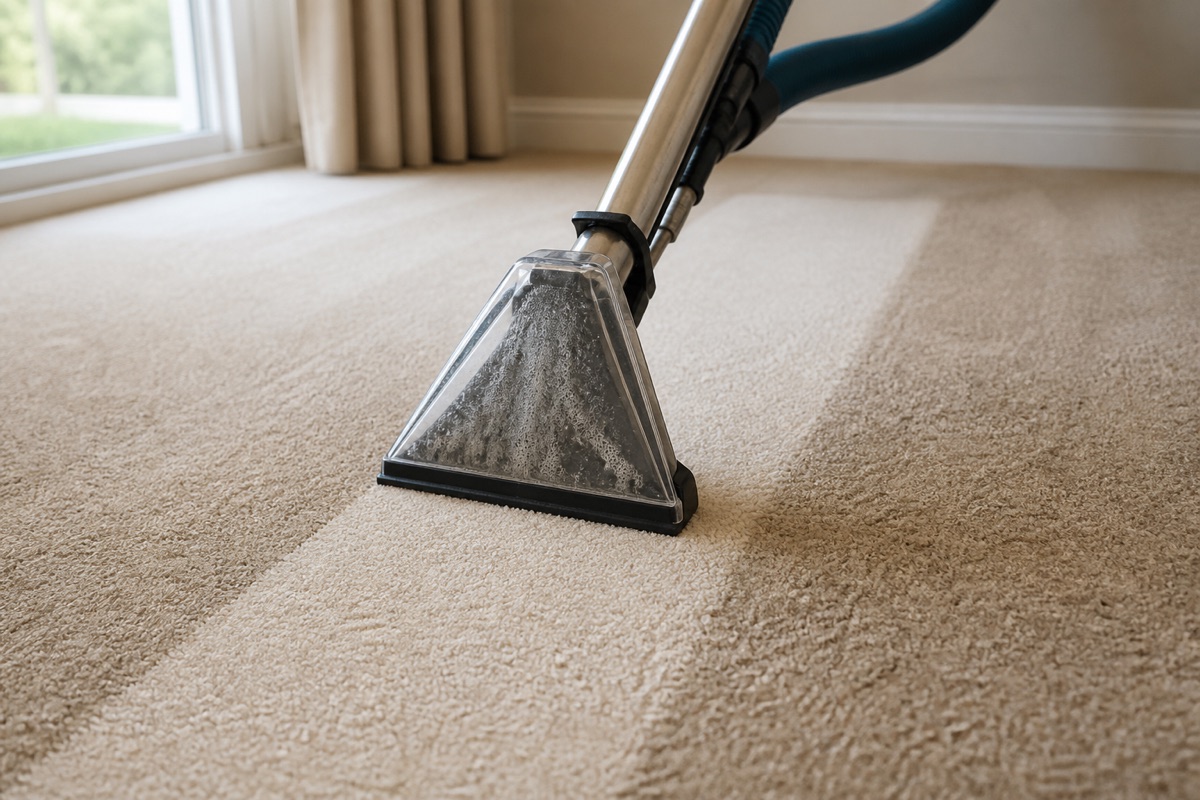
Hot water extraction carpet cleaner mid-pass on beige carpet showing a cleaner track behind it

Vacuuming removes loose soil. It does nothing about the oily film that builds up in the fibres over years, and that film is what makes a carpet look tired even when it is not stained. Removing it needs water, heat and extraction — and doing it badly leaves carpet worse than not doing it at … Read more

Identify Your Wood Floor Finish Before You Clean It

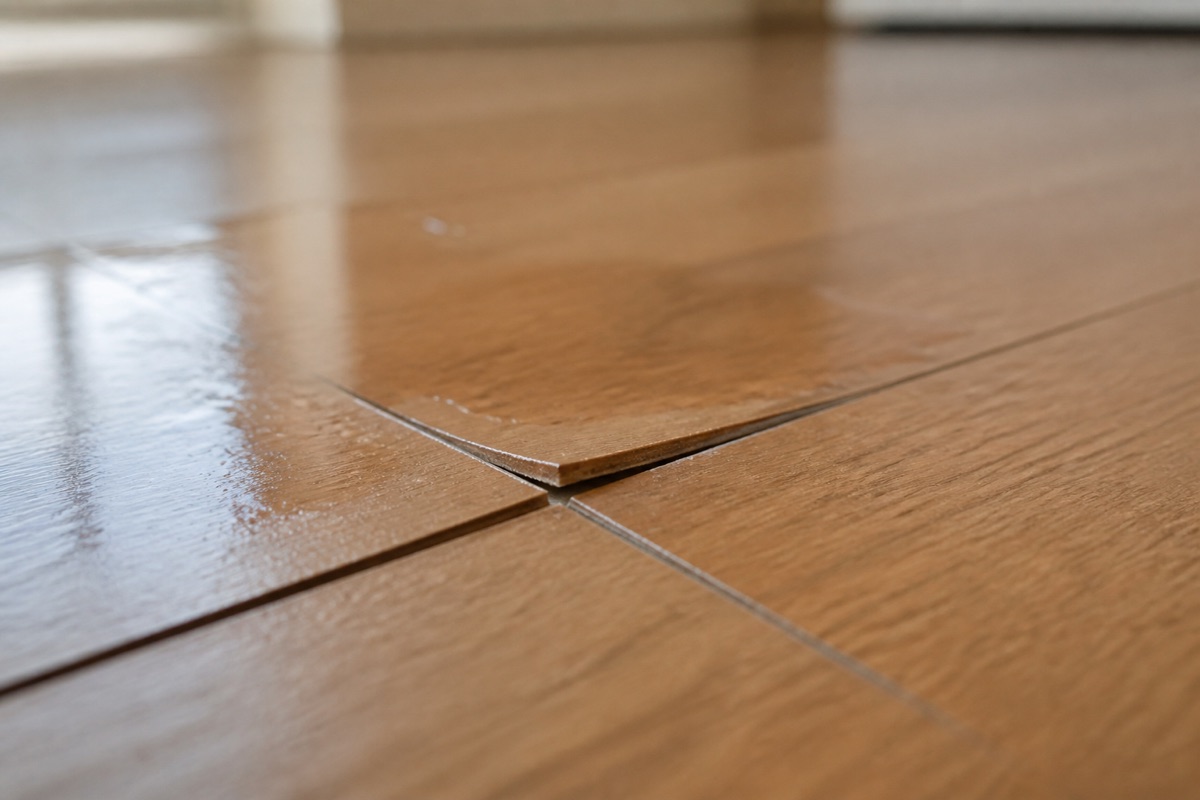
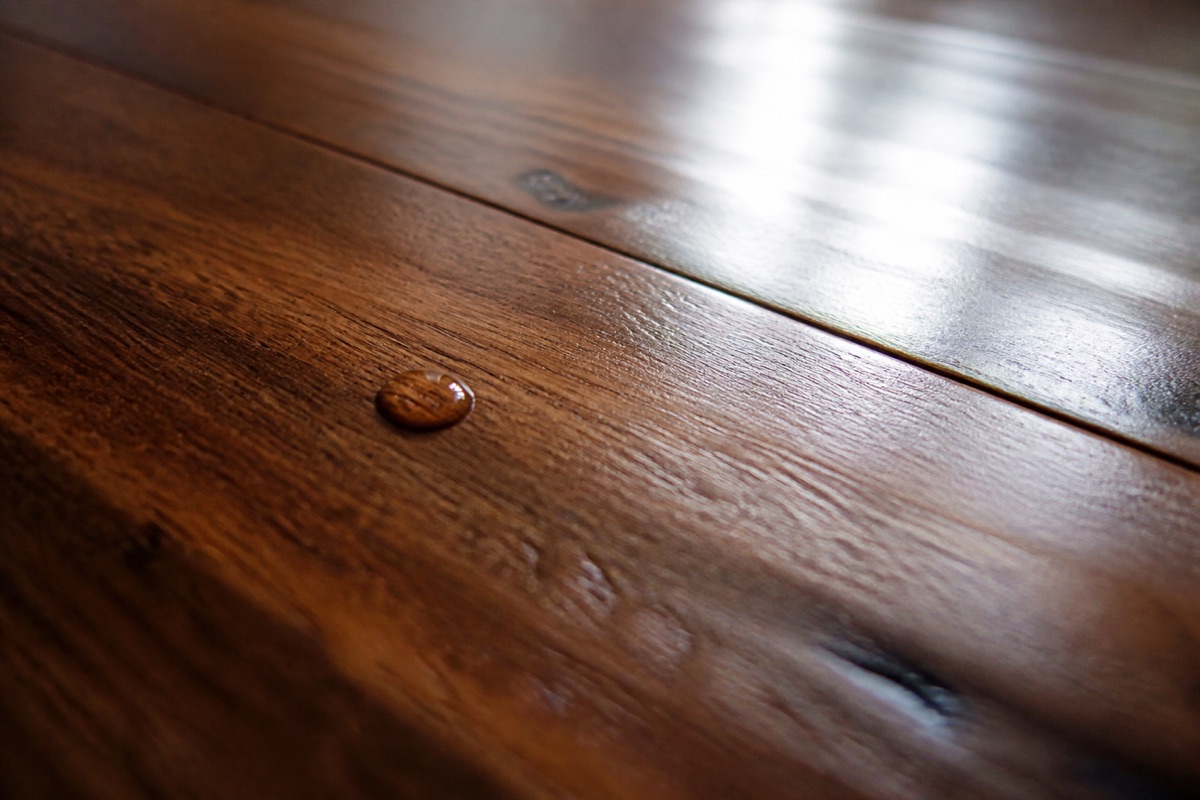
Close-up of a hardwood floor board at a low angle with a drop of water beaded on the satin finish

Almost every serious mistake made on a wood floor comes from cleaning it as though it had a different finish. A product that is correct for oil is wrong for polyurethane. A method that is fine for polyurethane will strip a wax floor. Before you buy a cleaner, spend two minutes finding out what you … Read more

Natural Stone Countertop Care: Granite, Marble and Quartzite

Honed white marble countertop with a faint ring mark, a cloth and pH-neutral stone cleaner beside it

Natural stone is not one material. Granite, marble, travertine, limestone, slate and quartzite behave differently enough that a routine which is fine on one will visibly damage another — and the difference comes down to a single property: whether the stone contains calcium carbonate. The distinction that governs everything Type Stones Reacts to acid? Calcareous … Read more

Quartz vs Granite Countertops: The Care Differences That Matter

Two countertop samples side by side, one speckled granite and one uniform engineered quartz

Engineered quartz and granite look similar in a showroom and behave very differently in a kitchen. Choosing between them, or looking after one you already have, comes down to three properties: porosity, heat tolerance, and UV stability. What they actually are Granite is quarried igneous rock, cut and polished. Every slab is different, it is … Read more