What Actually Kills a Non-Stick Pan

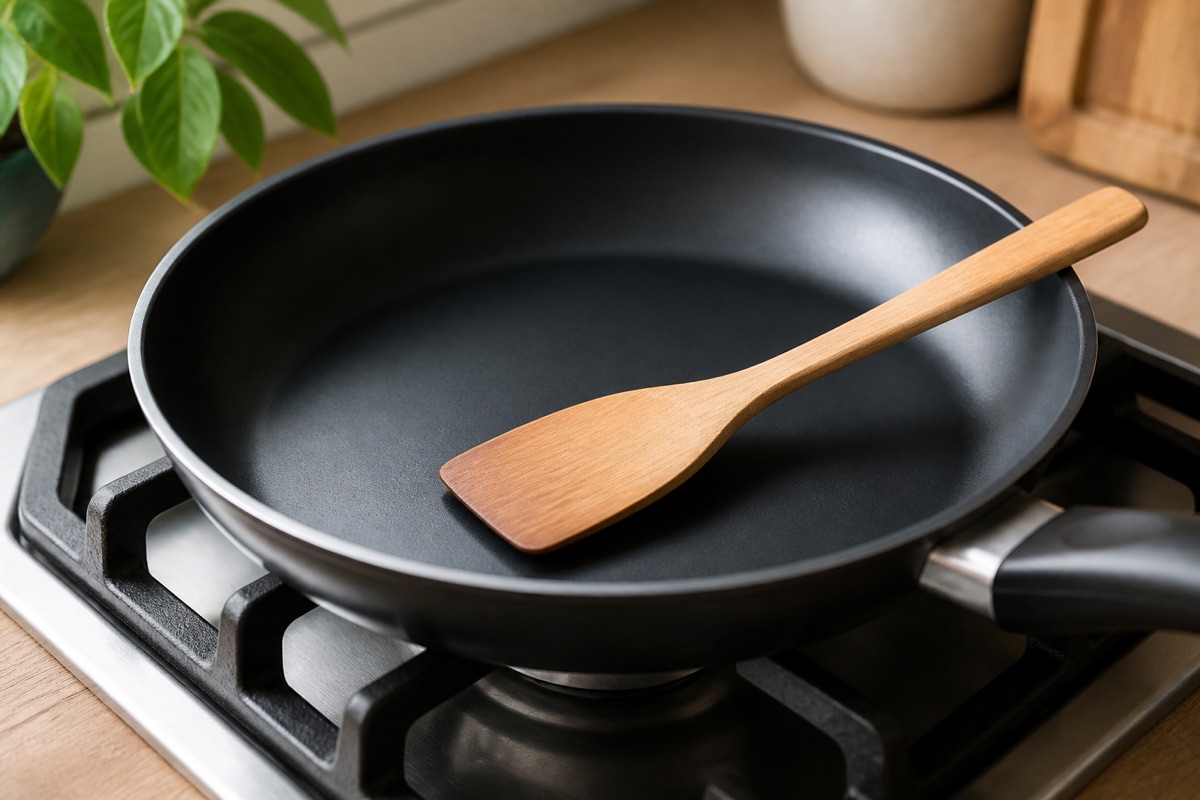
Nonstick frying pan on a hob with a wooden spatula resting in it and the coating smooth and intact

Non-stick pans are consumables. Even treated perfectly they have a finite life, and almost everything that shortens that life comes down to one thing: heat. What the coating is, and where its limit sits Most non-stick coatings are PTFE — polytetrafluoroethylene — a fluoropolymer applied in thin layers and cured onto the pan. It is … Read more
Drain Maintenance Without Chemical Drain Cleaners

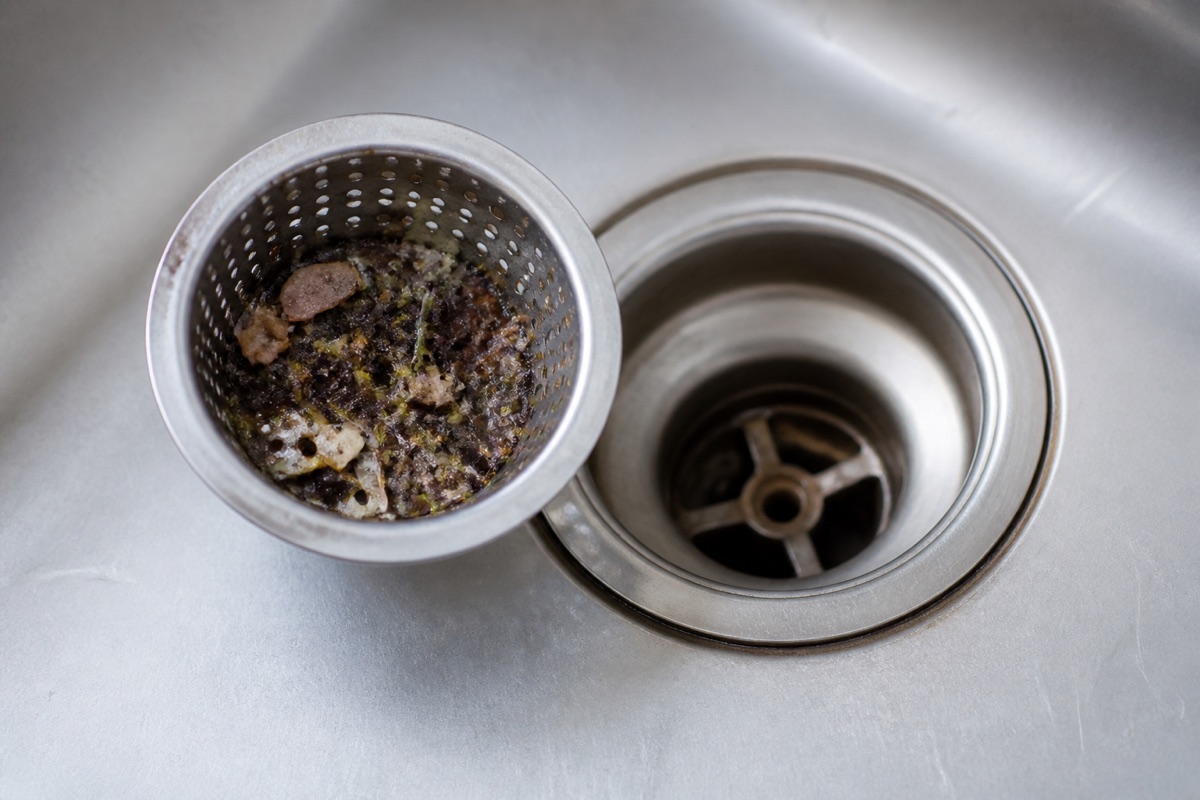
Kitchen sink drain with the strainer lifted out showing accumulated debris in the basket

Chemical drain cleaner is the default response to a slow drain and it is usually the wrong one. It is corrosive to pipes and to the person using it, it frequently fails on the blockages people reach for it to solve, and when it fails it leaves a pipe full of caustic liquid that the … Read more

Natural Stone Countertop Care: Granite, Marble and Quartzite

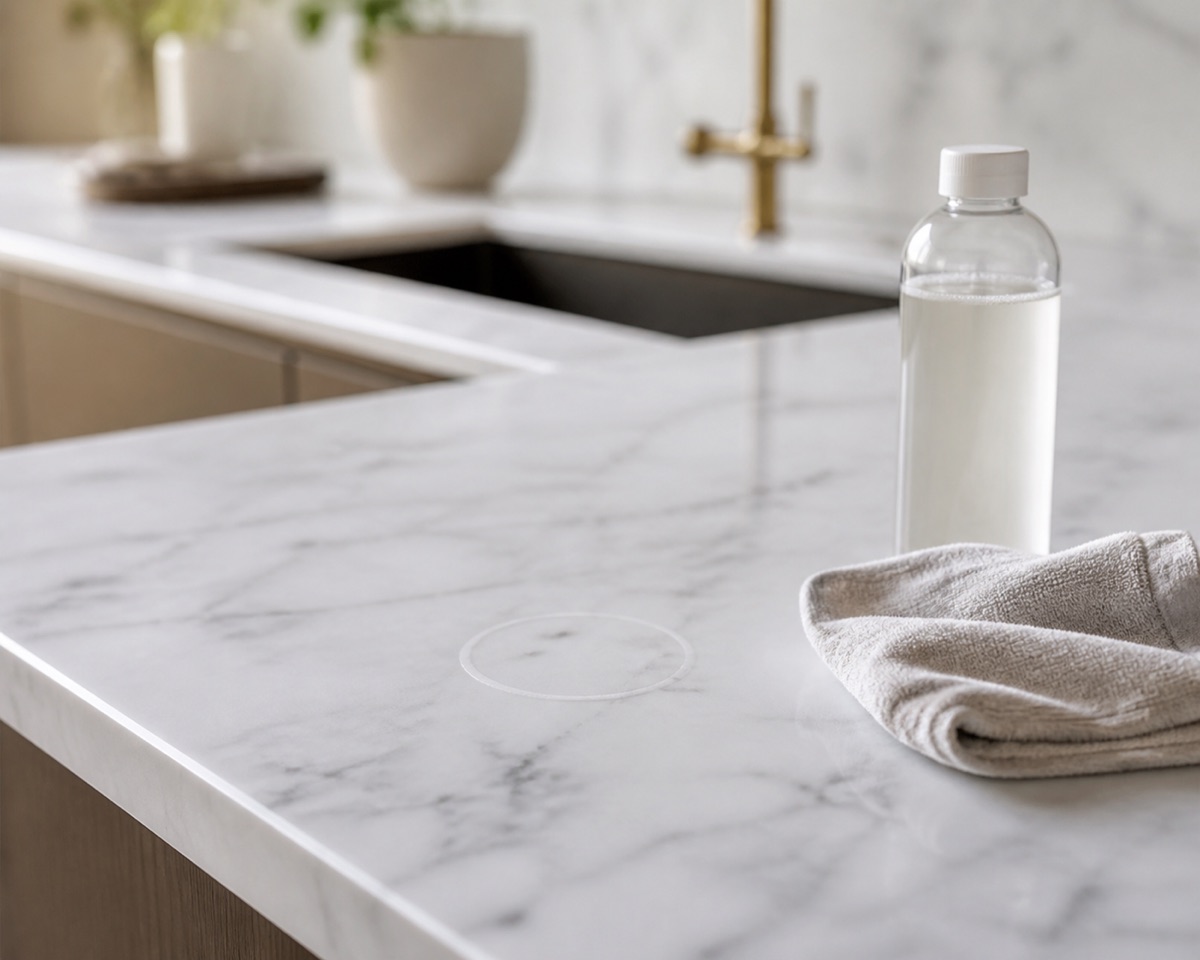
Honed white marble countertop with a faint ring mark, a cloth and pH-neutral stone cleaner beside it

Natural stone is not one material. Granite, marble, travertine, limestone, slate and quartzite behave differently enough that a routine which is fine on one will visibly damage another — and the difference comes down to a single property: whether the stone contains calcium carbonate. The distinction that governs everything Type Stones Reacts to acid? Calcareous … Read more

Ironing and Steaming by Fabric Type

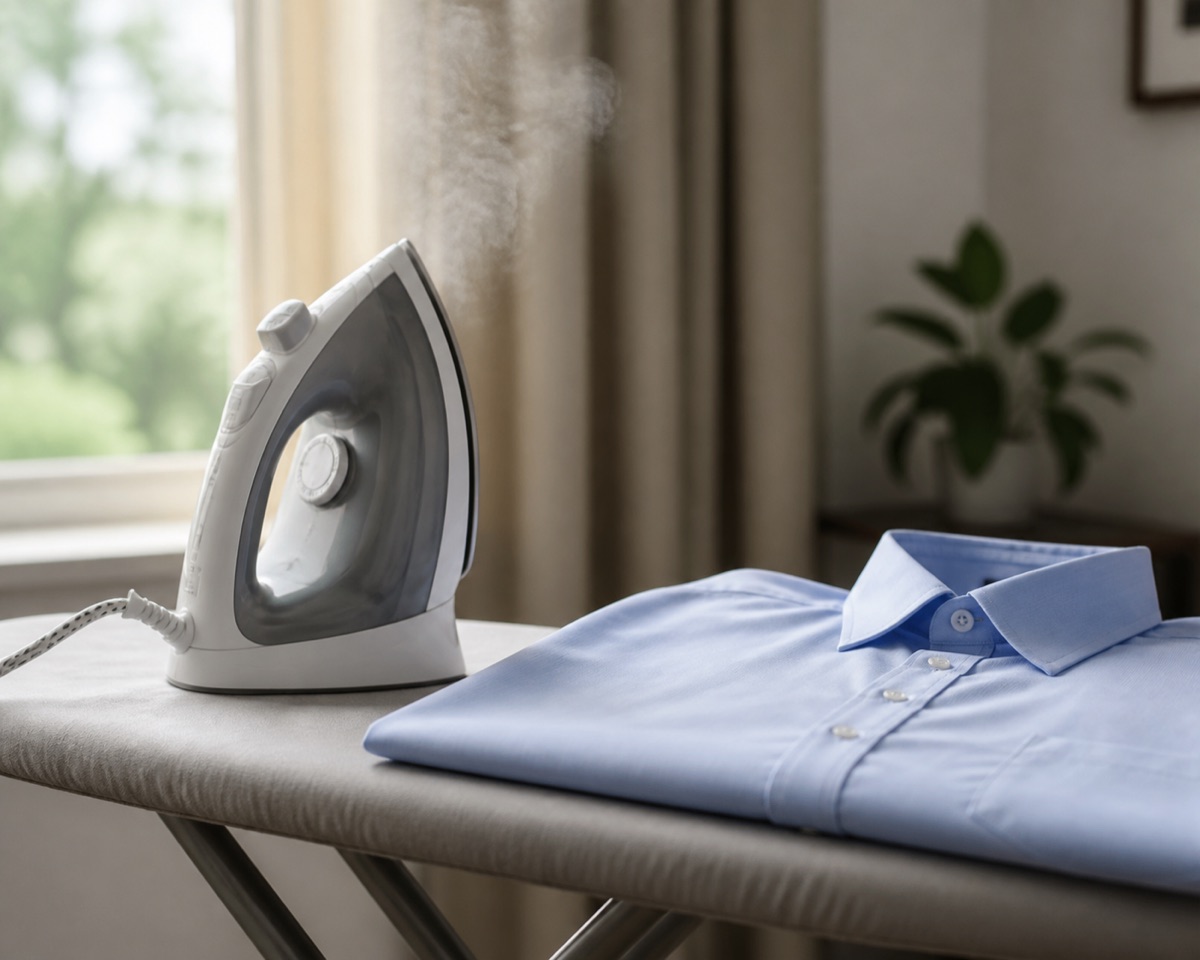
Steam iron resting on an ironing board beside a neatly pressed cotton shirt with steam rising

Ironing damage is almost always a temperature error. Every fibre has a point at which it stops relaxing and starts melting, scorching or glazing, and the dot system on a care label exists to keep you below it. The temperature table Dots Max temp Fabrics Steam One 110 °C / 230 °F Acrylic, nylon, acetate, … Read more

Honing vs Sharpening: How to Keep a Kitchen Knife Cutting

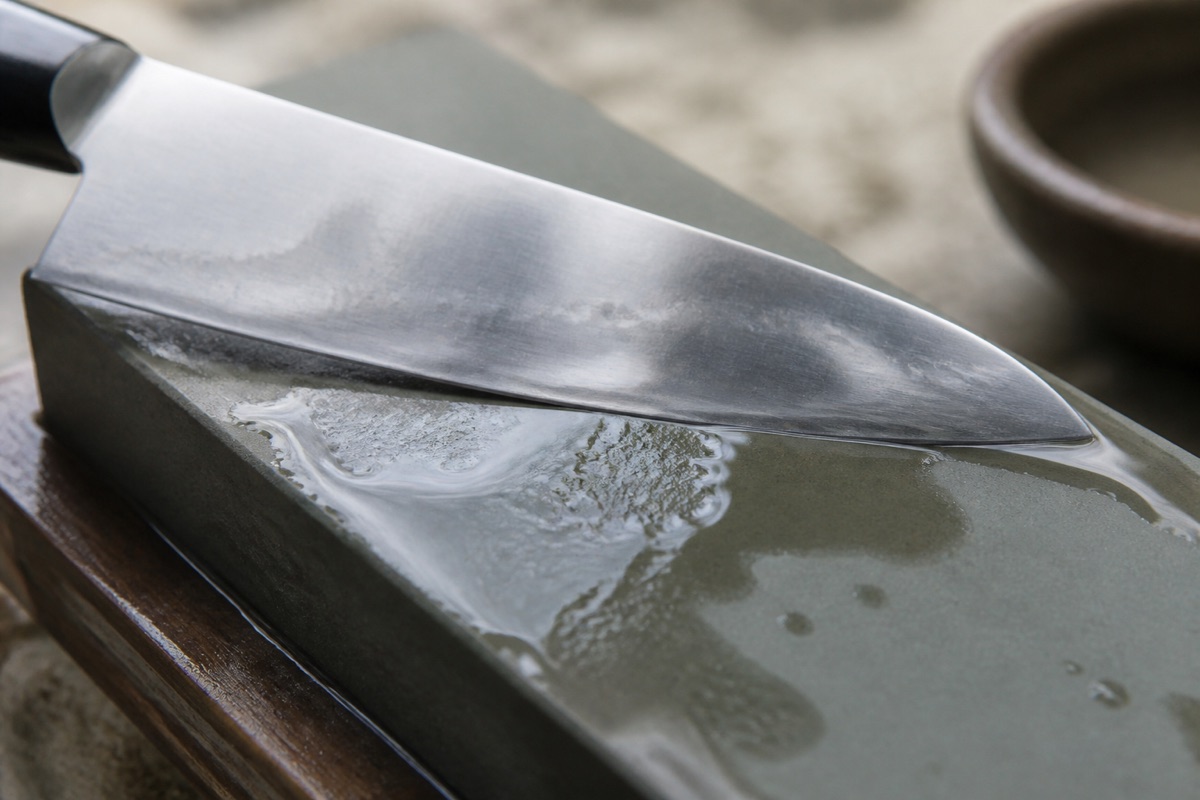
Chef knife being drawn across a whetstone at an angle with water pooling on the stone

A knife that will not cut is usually not blunt. It is bent. Distinguishing between the two is the single most useful thing to understand about knife maintenance, because the fixes are entirely different and one of them takes fifteen seconds. Honing versus sharpening A knife edge is extremely thin — a few microns at … Read more

HVAC Filters: MERV Ratings and How Often to Change Them

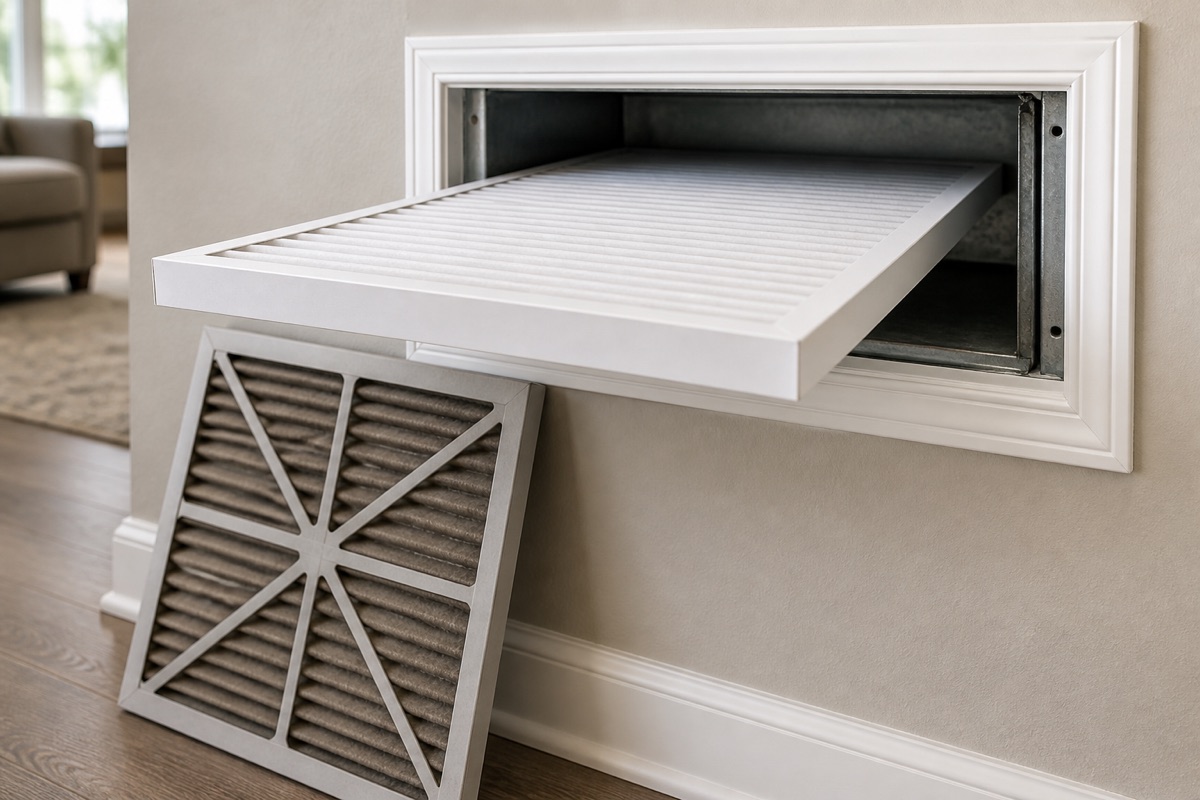
Pleated white air filter being slid into a return air vent with the old dust-loaded filter below

The air filter is the cheapest component in a heating and cooling system and the one most likely to cause an expensive failure. A blocked filter starves the system of airflow, and low airflow is the root cause of a long list of faults that get diagnosed as something else. What the filter is actually … Read more

Descaling a Kettle, Coffee Maker, Iron and Espresso Machine

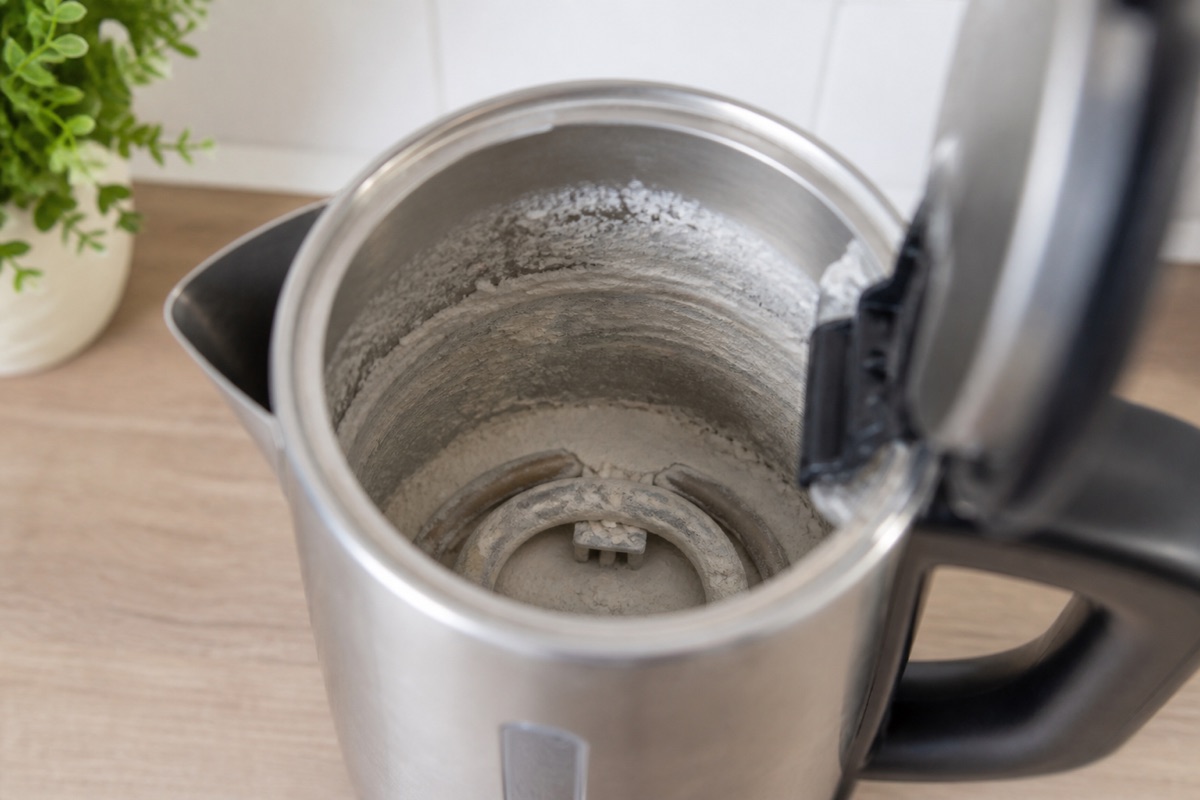
Electric kettle with the lid open showing thick white limescale on the heating element

Limescale is calcium carbonate, deposited out of hard water every time it is heated. It does not damage anything quickly, but it insulates heating elements, restricts flow paths, and eventually it starts breaking off in flakes that end up in the cup. The chemistry is simple and it dictates the method: calcium carbonate dissolves in … Read more